Artificial Intelligence is no longer something on the horizon—it is here, shaping the way businesses operate every single day.
From automating repetitive tasks and improving efficiency, to supporting decision-making and transforming customer experience, AI is creating huge opportunities for organisations of every size. In fact, over half of UK businesses are now actively using AI, and globally, most organisations have adopted AI in at least one function of their business.
But adoption does not automatically mean transformation.
Many organisations are still only scratching the surface. Employees are often using AI tools ahead of formal business strategy, while leaders are still deciding where it fits. This creates a gap—and that gap is not about technology. It is about leadership.
Because this is not simply a technology conversation. It is a leadership conversation.
The businesses that will thrive are not necessarily those with the most advanced systems, but those with leaders who can create clarity, confidence and trust during times of uncertainty.
So where should leaders start?
First, with clarity—not tools.
Instead of asking, “What AI should we use?” the better question is, “Where are we trying to improve performance?” The strongest businesses are solving real problems, not chasing trends. AI should support strategy, not become the strategy.
Second, leaders must lead from the front.
If senior teams do not understand AI, use it themselves, or create confidence around it, adoption will either stall or happen in fragmented, inconsistent ways across the business. Visible leadership creates permission for others to engage.
Third, focus on workflows, not individuals.
Right now, many people are using AI in isolation—testing tools quietly to save time or improve output. But the real value comes when AI is embedded into shared processes, improving collaboration, consistency and business performance across teams.
Fourth, invest in skills, not just systems.
Buying new technology is easy. Building confidence and capability is harder—and far more important. Teams need space to learn, experiment and understand how AI can support better work, not simply faster work.
And perhaps most importantly, keep leadership human.
As automation increases, communication matters more. Culture matters more. Trust matters more.
Emotional intelligence, influence, empathy and strong decision-making are not being replaced—they are becoming more valuable.
Employees want to understand where they fit in a changing workplace. They want transparency, reassurance and a sense of purpose. They want leaders who can help them see opportunity, not just disruption.
Trust is also critical. While AI use is rising rapidly, confidence in it remains far lower. People may be using the tools, but many are still unsure about the risks, the boundaries and what good looks like.
This is where leadership matters most.
Strong leaders are also honest about where AI does not add value. Not every process needs automation, and not every new tool creates better outcomes. Knowing where to focus—and where not to—is what turns adoption into impact.
Because the future of work is not AI versus people.
It is AI and people—working together more effectively.
And that requires leaders who are willing to rethink how they lead, how they communicate and how they develop the next generation of talent.
At C2S, we see this conversation happening across every sector. From Leader Boardrooms to HR Focus sessions, from finance leaders to business owners, the challenge is the same: how do we embrace change without losing what makes great businesses thrive?
Technology will continue to evolve.
Leadership must too.
Because the future of work will not be defined by the tools we adopt—but by how well we lead people through it.
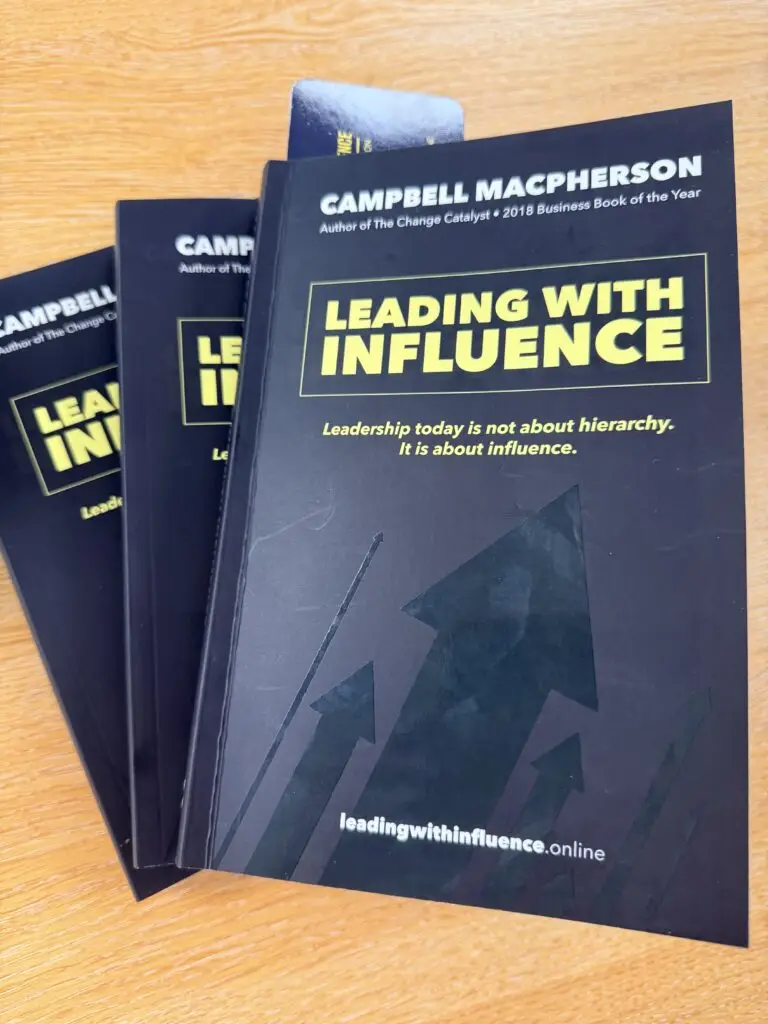
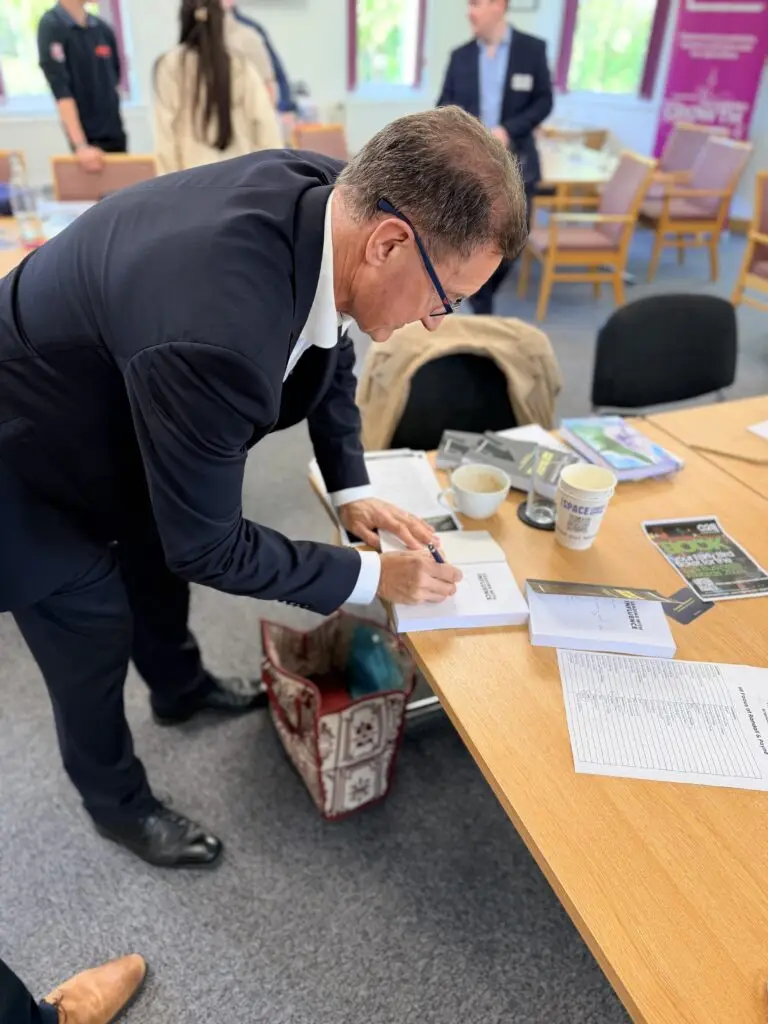
We’ve been fortunate to hear Campbell Macpherson speak at a number of our C2S sessions, and his insight around leadership, influence and navigating change always resonates strongly with our community. His new book, Leading with Influence, is a timely reminder that leadership today is not about authority alone—it is about trust, communication and the ability to bring people with you. In a world where change is constant, his perspective on how leaders inspire action, build confidence and create lasting impact feels more relevant than ever. We’re delighted to have Campbell as part of the C2S network, supporting our members and helping leaders across our community grow with confidence and clarity.
#Leadership #AI #FutureOfWork #BusinessGrowth #LeadershipDevelopment #PeopleAndCulture #C2SGrowth #VoiceOfC2S